Roof Repairs During Winter: Challenges and Solutions
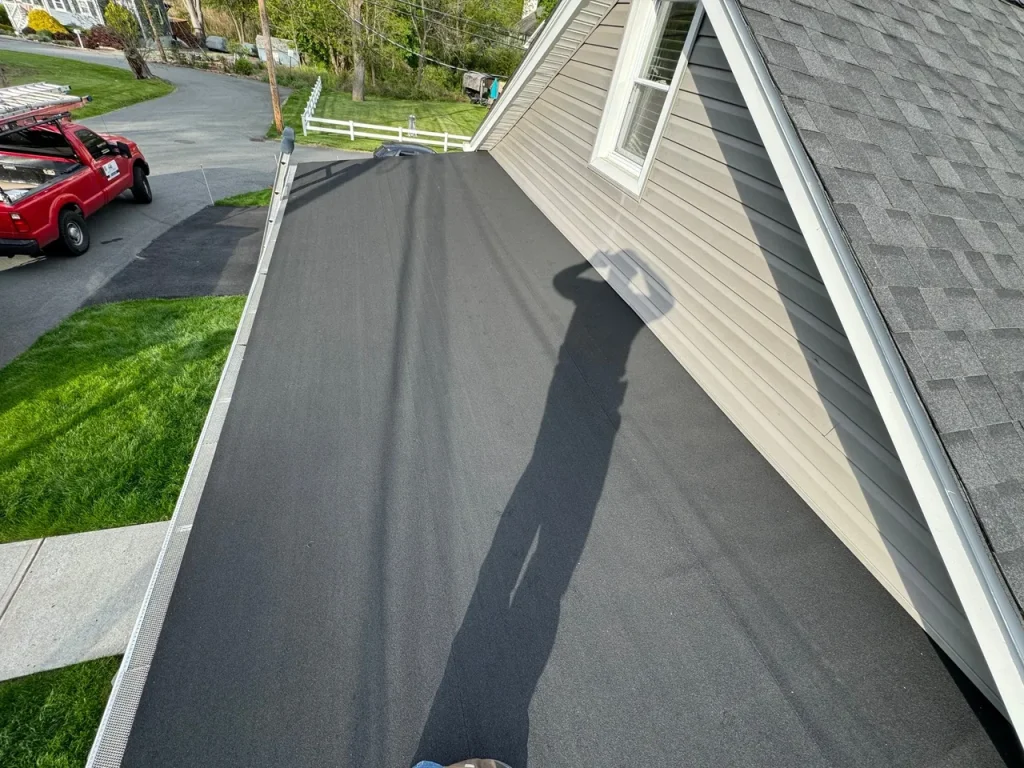
Winter has a way of exposing every weak point in a roof. A small flashing gap that caused no trouble in October can become an active leak by January. A shingle that looked merely aged in fall can crack outright after a hard freeze. Homeowners often assume roof work must stop once temperatures drop, but that is only partly true. Many roof repairs can still be completed in winter, and sometimes they should be, because waiting until spring can turn a manageable problem into interior water damage, mold growth, soaked insulation, and rotten decking.
The real issue is not whether winter roof repairs are possible. It is how they are approached. Cold weather changes how materials behave, how crews move, how long repairs take, and what counts as a safe working day. A repair that would be routine in mild weather can become delicate and slow when the roof is frosted, brittle, or carrying snow load. That does not mean the job cannot be done. It means the contractor has to make better decisions.
Why winter repairs become urgent so quickly
A roof in winter faces a combination of stress that does not exist in the same way during the rest of the year. Moisture enters freeze and thaw cycles. Snow adds weight. Ice forms at eaves and in gutters. Wind finds openings around ridges, valleys, chimneys, and vent boots. Indoors, warm air rises and meets cold roof surfaces, which can create condensation problems that mimic leaks.
One of the most common situations I have seen is the “small stain, big surprise” scenario. A homeowner notices a yellowed ceiling spot after a snowfall, assumes it is minor, and waits. By the time someone opens the area up, the problem has traveled farther than expected. Water rarely drips straight down from the point of entry. It moves along decking, rafters, insulation, and fasteners before it shows itself. In winter, that hidden path often includes areas where repeated freezing has widened the opening.
Timing matters because roofing systems do not usually fail all at once. They degrade at joints and transitions first. A roof plane may still look serviceable from the yard while a chimney cricket, skylight curb, or pipe flashing is already compromised. Winter weather then accelerates Roof Repairs the failure. If the roof is leaking during active freeze and thaw cycles, the problem is no longer cosmetic. It is structural and thermal, too.
What makes roof repairs harder in cold weather
Cold affects both materials and people. Asphalt shingles become less flexible, sealant takes longer to cure, and self-adhered membranes may not bond properly unless the surface is prepared carefully. Metal contracts. Rubber components stiffen. Even simple handling becomes trickier because crews are working in heavier clothing, gloves, and on surfaces with reduced traction.
Safety is the first complication. A roof that is merely steep in summer can be dangerous in winter. Morning frost, thin ice films, and drifted snow change footing dramatically. On some days, the right decision is not to climb at all. Good contractors do not force progress when conditions are unsafe. That may frustrate a homeowner who wants an immediate fix, but it is part of professional judgment.
Access is another issue people underestimate. Snowbanks can block ladders from being set properly. Frozen ground may not give stable footing at the base. I have seen cases where the roof itself was repairable, but access points around the house, especially near landscaping, retaining walls, or icy walkways, slowed everything down.
Then there is diagnosis. Winter leaks can be deceptive. Ice dams cause water to back up under shingles, which can make it appear that the entire field of shingles has failed when the primary problem is insulation, ventilation, and meltwater management at the eaves. Condensation in the attic can mimic a roof penetration leak. Wind-driven snow can enter at vents and later melt indoors. A proper repair starts with sorting out which of these is actually happening.
The materials question: not every repair behaves the same in winter
The phrase “roof repair” covers a wide range of work, and the feasibility changes depending on the roofing system and the nature of the defect.
Asphalt shingle repairs are common in residential work, but they require care in winter. Shingles can crack when lifted if they are very cold, especially older ones that have already lost flexibility. Seal strips may not activate fully until warmer weather. That does not make the repair invalid, but it can mean the contractor has to hand-seal tabs, use compatible products, and explain that final sealing may improve when temperatures rise.
Metal roofing often performs better in winter repair scenarios because individual panels and flashings are less dependent on temperature-sensitive seal strips. That said, metal roofs create their own hazards. Snow can release suddenly, surfaces are slippery, and movement from thermal expansion and contraction has to be considered when fastening replacement components.
Flat and low-slope roofs can be repaired in winter, but product selection becomes critical. Some membranes require specific temperature windows for installation. Surface dryness matters. If moisture is trapped under a patch or in the substrate, the repair may fail prematurely. On commercial buildings, temporary waterproofing is sometimes the best choice until a proper weather window allows permanent work.
Slate, tile, and wood shake roofs require even more restraint. Cold weather can make already delicate materials more vulnerable to breakage. A rushed repair on those systems often creates collateral damage. If a house has specialty roofing, winter work should be limited to what is necessary to stabilize the problem unless ideal conditions exist.
The most common winter roofing problems
Some patterns show up every season. They are familiar enough that a trained roofer can often predict likely causes before getting on the ladder, though confirmation still matters.
Ice dams are high on the list. They form when heat escaping from the house warms the roof enough to melt snow, which then runs down to the colder eaves and refreezes. As the ice thickens, meltwater backs up beneath shingles. Many homeowners treat the ice itself as the problem, but the deeper cause is usually a combination of attic heat loss, insufficient insulation, and weak ventilation. Removing the ice can reduce immediate leakage, but without addressing the source, the cycle repeats.
Flashing failures are another major culprit. Chimneys, skylights, wall intersections, plumbing vents, and exhaust penetrations are all vulnerable because they interrupt the main roof surface. In winter, expansion and contraction can exploit already weakened sealants or loose metal.
Wind damage also becomes more visible. A storm does not need hurricane force winds to lift a compromised shingle or dislodge ridge caps. Once the edge is raised, snow and water can get under the roofing more easily.
Gutter and downspout issues contribute as well. When drainage is blocked with ice or debris, water has nowhere to go. Overflow can work its way behind fascia, into soffits, or against siding, and the damage gets mistaken for a roof leak when the water entry point is actually the drainage edge.
Temporary repairs versus permanent repairs
A lot of good winter roofing work is about staging the response correctly. Not every problem should wait until spring, but not every winter intervention should aim to be the final repair either.
There are situations where a temporary stabilization is the smartest move. If active snowfall, heavy ice, or extreme cold make a full repair risky or unreliable, the contractor may install a controlled stopgap that keeps water out until conditions improve. That can include targeted tarping, emergency seal work, or a localized membrane patch. Temporary does not mean careless. Done well, it buys time without creating additional damage.
Permanent repairs make sense when the roof can be accessed safely, the affected area is limited, and the materials can be installed according to manufacturer expectations. A missing shingle section, damaged vent boot, loose flashing apron, or puncture in a membrane may all be solvable on the spot if the weather cooperates.
The key is honesty. Homeowners deserve a clear explanation of what is being done, how long it is expected to hold, and whether follow-up work is likely. Problems arise when temporary work is presented as a complete cure.
How professionals handle winter Roof Repairs well
The best winter roof repair crews are methodical. They do not simply “patch the leak.” They manage moisture, temperature, adhesion, access, and safety all at once. That sounds basic, but it is where experience shows.
A careful winter assessment usually starts indoors. Ceiling stains, attic moisture, frost patterns, wet insulation, and airflow clues often tell more than a fast exterior glance. On the roof, technicians look beyond the visible opening to the surrounding conditions. Is the leak tied to ice backup, a lifted shingle, an exposed fastener, failed flashing, or a plumbing vent issue? Is the decking still sound? Has water entered only recently, or has it been traveling for months?
Preparation matters almost as much as the repair itself. Snow may need to be cleared from the work zone. Ice must be dealt with without damaging the roof further. Surfaces need to be dry enough for sealants or membranes to perform. Materials often need to be stored warm before installation so they remain workable.
This is where experience with weather judgment becomes valuable. A professional knows the difference between a cold but workable day and a day when products will not cooperate. I have seen jobs where waiting until midafternoon, after a roof had a chance to warm slightly in sunlight, made the difference between a brittle repair and a clean one.
What homeowners can do before the roofer arrives
There is a short list of actions that help limit damage without creating new risks. None of them involve climbing onto the roof.
- Move belongings away from active drips and place containers under leaks.
- Relieve bulging ceiling drywall carefully if water is trapped and actively sagging.
- Document stains, drips, and weather conditions with photos.
- Check the attic, if safe to enter, for wet insulation or visible frost.
- Keep pathways and driveway areas accessible for ladder setup and material access.
That second point deserves caution. If a ceiling bubble is visibly swollen with water, controlled drainage into a bucket can sometimes prevent a larger collapse. But if there is any doubt about electrical hazards, stop and call for help. Water and wiring are a bad combination, especially in older homes.
The hidden role of insulation and ventilation
Many winter roof leaks are not only roofing problems. They are building envelope problems. That distinction matters because replacing shingles will not solve what warm indoor air is causing from below.
Poor attic insulation allows heat to escape unevenly. Inadequate ventilation traps moisture and temperature imbalance. Recessed lights, attic hatches, plumbing chases, and duct penetrations can all leak conditioned air into the attic. The result is a roof deck that warms enough to melt snow in patches, then refreezes at colder overhangs. That is textbook ice dam behavior.
I have walked roofs where the shingles near the eaves looked repeatedly distressed, while the upper roof was relatively intact. The instinct might be to blame product quality, but once you inspect the attic, the pattern often makes sense. Thin insulation at the perimeter, blocked soffit vents, and warm air escaping around a bathroom fan create the exact conditions that stress the eave area year after year.
This is why a good winter repair conversation sometimes extends beyond the roof crew. An insulation contractor, HVAC technician, or building envelope specialist may need to be part of the solution. Otherwise, the house keeps manufacturing the same problem.
Cost expectations and why winter pricing can vary
Homeowners often ask whether roof repairs are cheaper or more expensive in winter. The honest answer is that it depends on the repair type, urgency, and access conditions.
In some markets, winter can be a slower season for full roof replacements, but emergency repair work often carries its own premium because it is reactive, weather-sensitive, and harder to schedule efficiently. Crews may need extra time for setup, snow removal, material warming, and safety precautions. If the roof pitch is steep or the access is poor, labor costs can rise quickly.
There is also the cost of delay to consider. A repair that might cost a few hundred to a few thousand dollars, depending on scope and region, can become much more expensive if the homeowner waits and interior finishes, insulation, or roof decking need replacement. I have seen minor flashing repairs turn into attic remediation projects because the leak was tolerated through an entire winter.
If a contractor gives a winter estimate, ask whether the price includes temporary protection, return visits if conditions shift, and any spring follow-up needed for a final seal check. Clarity up front prevents disputes later.
Choosing the right contractor when the weather is working against everyone
Winter is not the season to gamble on the cheapest bid. The margin for error is too small. A contractor doing cold-weather Roof Repairs should be able to explain not only what is damaged, but why the chosen repair method makes sense under current conditions.
Look for signs of practical winter experience, not just general roofing competence. Ask how they handle brittle shingles, what conditions would cause them to postpone, and whether they expect hand-sealing or temporary stabilization. A strong answer is usually specific. A weak answer sounds overly confident and vague at the same time.
These questions help separate careful professionals from improvisers:
- What do you believe is causing the leak, and how did you confirm it?
- Is this repair intended to be permanent, temporary, or condition-dependent?
- How will cold temperatures affect the materials you plan to use?
- What safety limitations could delay the work?
- Will you recommend attic, insulation, or ventilation improvements if they are contributing factors?
The goal is not to interrogate the contractor. It is to hear whether they think in systems. Roof leaks in winter rarely come from one isolated fact.
When waiting for spring is reasonable, and when it is not
There are cases where deferring major work is sensible. If the roof has widespread age-related failure but is not actively leaking, and if temporary protection can hold it safely, planning a fuller spring project may be the better move. The same goes for cosmetic issues that do not threaten waterproofing in the near term.
Waiting is not wise when there is active interior leakage, recurring ice dam backup, visible sagging, wet insulation, moldy attic conditions, or signs that water is reaching electrical fixtures or structural framing. Those are not “watch and see” problems. They are intervention problems.
There is also a middle category many homeowners miss, where the leak has stopped but the damage path is still present. Just because a stain is dry today does not mean the problem is gone. It may simply be waiting for the next wind-driven storm or thaw cycle.
A practical view of winter roof care
The houses that come through winter best are usually not the ones with the newest shingles alone. They are the ones where small defects were addressed early, attic conditions were kept under control, drainage paths were maintained, and repairs were made by people who respected winter’s constraints.
A sound winter approach to Roof Repairs is rarely dramatic. It is disciplined. Diagnose carefully. Stabilize quickly. Repair properly when conditions allow. Correct the heat and moisture issues that helped create the failure in the first place. That sequence saves more roofs than any miracle coating or rushed patch ever will.
For homeowners, the main takeaway is simple. Do not assume cold weather means nothing can be done, and do not assume every winter leak needs a full roof replacement. Most problems fall somewhere in between. The right response depends on the roof type, the weather window, the source of the water, and the quality of the diagnosis. When those pieces are handled well, winter repairs can be effective, durable, and far less disruptive than waiting for spring and dealing with the damage that accumulated in the meantime.
Royalty Exteriors
151 NJ-10 Suite 103A
Succasunna, NJ 07876, United States
+1 973-333-7234
FAQ About Roof Repairs
Can you fix a roof leak without replacing the whole roof in Succasunna,NJ?
Often, a localized leak can be repaired without replacing the entire roof, depending on its cause and the condition of the surrounding materials. Damaged shingles, flashing, or a roof penetration may need targeted work. Royalty Exteriors offers roof repairs for leaks, storm damage, and shingle issues. An inspection is needed to determine the appropriate scope.
What is considered a minor roof leak?
A leak may be considered minor when the damage is limited to a small area and the surrounding roofing remains sound. A small ceiling stain alone does not establish the extent of the problem because water can travel before becoming visible. Have the source and any concealed damage assessed promptly.
Is it better to repair or replace a leaky roof?
The decision depends on the roof's age, overall condition, leak source, extent of damage, and history of previous repairs. A localized problem on an otherwise serviceable roof may be suitable for repair. Widespread deterioration or recurring leaks may justify considering replacement. Ask for an inspection and a written explanation of the recommended work before deciding.