Common Roofing Problems That Lead to Roof Replacement in Succasunna, NJ
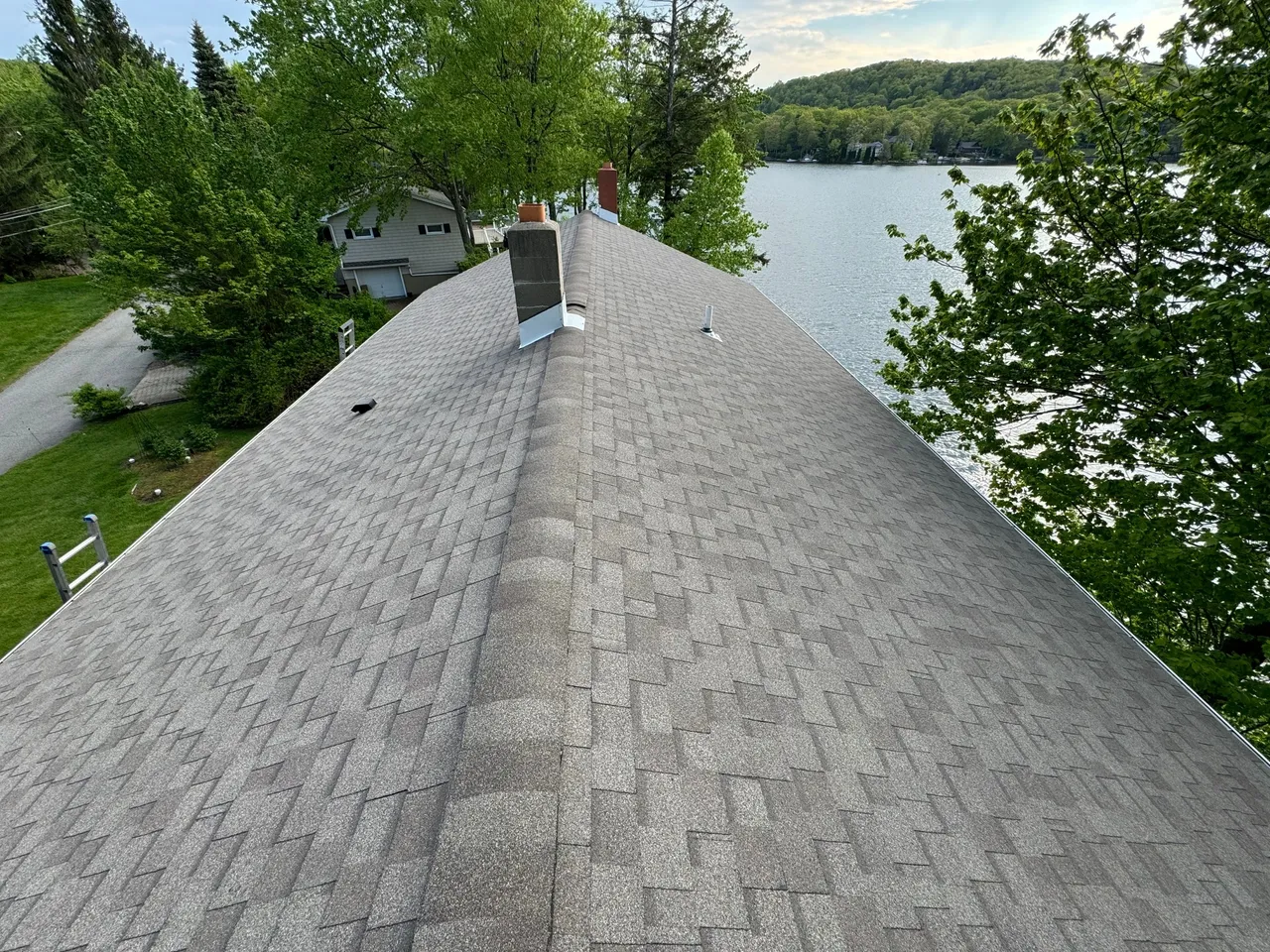
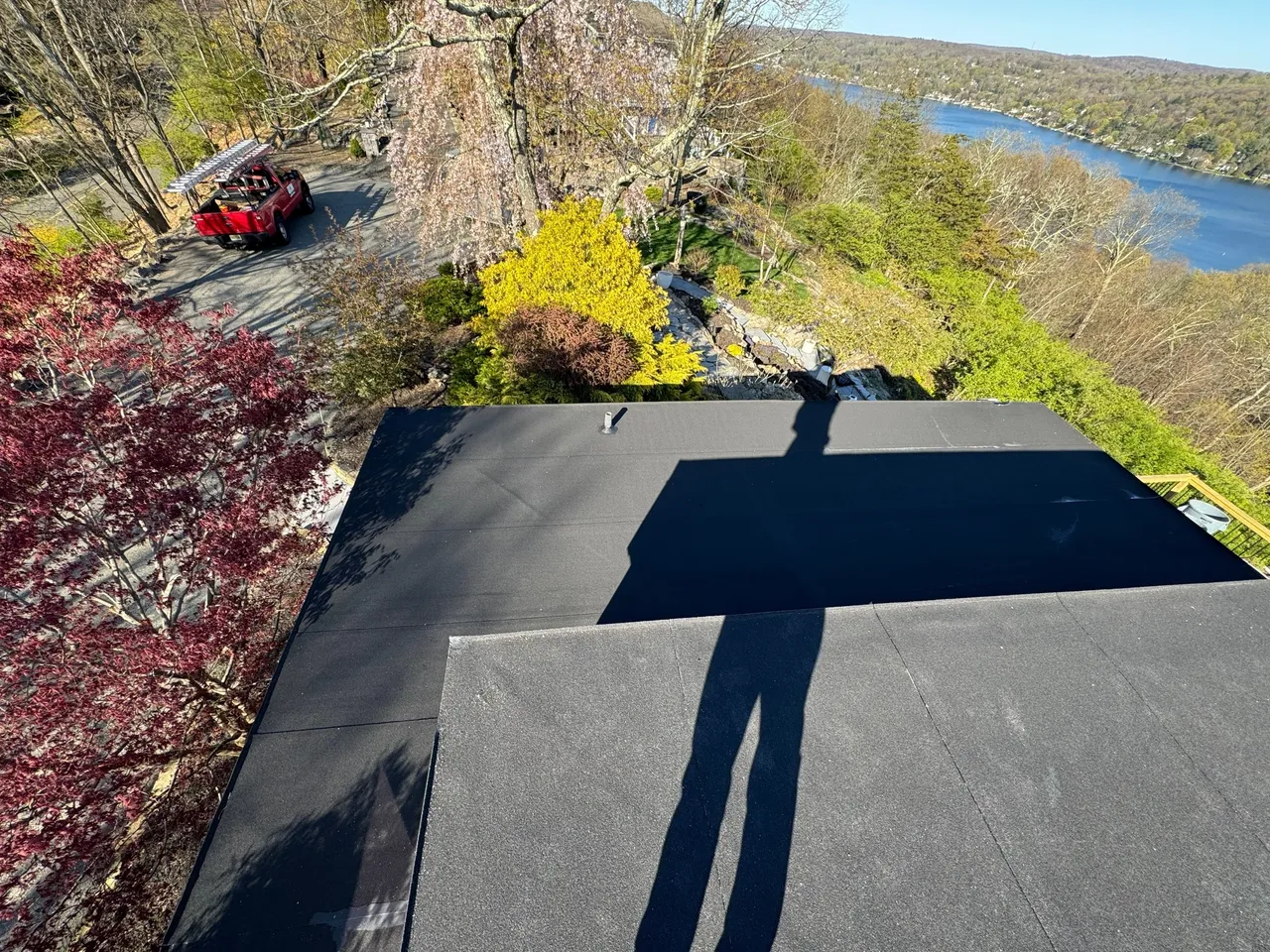
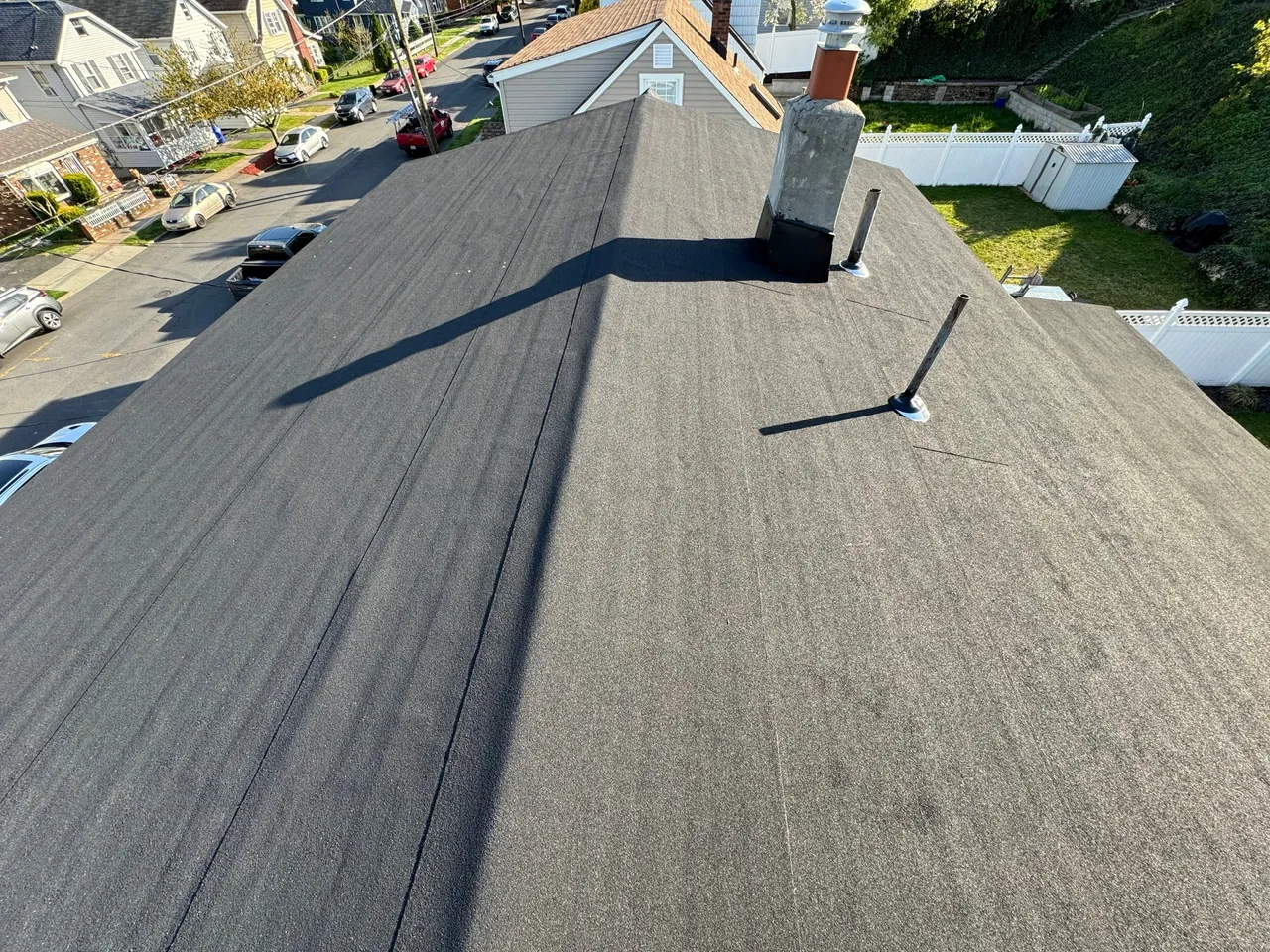
A roof rarely fails all at once. Most replacements in Succasunna happen after years of smaller problems stack up, get patched, and finally reach a point where another repair no longer makes financial sense. Homeowners often call when they notice a ceiling stain or missing shingles, but by then the real story has usually been unfolding for a long time in the attic, under the shingles, or around the flashing lines where water likes to sneak in.
That pattern is especially common in North Jersey. Roofs here take a beating from winter snow, ice, spring rain, summer heat, and the constant expansion and contraction that comes with temperature swings. Add in older housing stock, mature trees, and occasional storm damage, and it is easy to see why many homeowners eventually start researching Roof Replacement Succasunna, NJ services instead of another round of repairs.
The tricky part is knowing which roofing problems are minor and manageable, and which ones tend to point toward full replacement. There is no single rule that fits every house. Age matters. Ventilation matters. So does how many layers are already on the roof, how widespread the damage is, and whether moisture Roof Replacement Succasunna, NJ has started affecting the roof deck itself. In practice, a roof replacement is usually driven by a combination of conditions rather than one dramatic event.
When a repair stops being the smart option
Most people prefer repair first, and that is a sensible instinct. A few shingles blown off in a windstorm do not automatically mean the whole roof has to go. Neither does a small flashing issue around a vent pipe. Good roofers repair roofs every day, and many systems have years of life left after a localized fix.
The decision changes when the same roof keeps developing problems in different areas. One leak gets sealed, then another shows up near a valley. A section of shingles curls on the back slope. Granules start washing into the gutters. The attic feels damp in winter. At that point, the homeowner is no longer dealing with one isolated defect. They are dealing with a roofing system that is aging out.
I have seen plenty of roofs where the immediate leak looked small from inside the house, but the exterior told a different story. The shingles were brittle, the flashing had been tarred over several times, and the decking near the eaves felt soft underfoot. A repair could stop the current leak for a while, but it would not solve the underlying wear. In those cases, replacement is not upselling. It is the more honest recommendation.
Asphalt shingles nearing the end of their service life
In neighborhoods around Succasunna, asphalt shingles are by far the most common roofing material. They are practical, available in many styles, and perform well when installed properly. But they do not last forever, and age alone becomes a major factor in replacement decisions.
As shingles age, the asphalt dries out and the material loses flexibility. That is when you start seeing curling, cracking, edge wear, and a more fragile surface overall. Older shingles also become harder to repair cleanly. A technician may try to lift them for a targeted fix, only to find they crack because they have become too brittle.
This is where homeowners sometimes get mixed messages. A roof may not be actively leaking everywhere, yet still be a strong candidate for replacement. If a roof is in the later phase of its lifespan and the field shingles are worn across broad areas, continuing to patch one section at a time often leads to higher total cost over the next few years. The money goes out, but the roof does not become meaningfully more reliable.
Granule loss is one of the most visible signs of this aging process. When you start finding a significant amount of shingle granules in gutters or at downspout discharge points, the protective outer layer is wearing away. Some granule loss is normal on newer shingles, but heavy or ongoing loss on an older roof usually signals declining performance. Once that protective layer thins out, the shingles become more vulnerable to UV damage and water penetration.
Leaks that keep returning
A recurring leak is one of the strongest indicators that a roof may be heading toward replacement. That does not mean every repeat leak requires a full tear-off. Sometimes Roof Replacement Succasunna, NJ royaltyexteriorsnj.com the first repair simply missed the true entry point, which is common because water can travel along rafters or decking before it shows up on a ceiling.
The bigger concern is when leaks recur because the roof has multiple weak points. This happens often around chimneys, valleys, skylights, plumbing vents, and wall intersections. Those areas rely heavily on flashing details. If the roof is old and the flashing has been repaired with roofing cement several times, you can end up with a patchwork of temporary fixes that no longer work well together.
I remember one house where the owner was convinced the problem was just the chimney flashing. It had leaked during heavy wind-driven rain, been patched, and then leaked again the next season. Once the shingles around the chimney were removed, the issue turned out to be larger. The underlayment was deteriorated, the step flashing was inconsistent, and the surrounding shingles had aged to the point where they could not be reused. Fixing only the visible flashing would have bought time, but not much of it.
Persistent leaks also raise the stakes because water damage rarely stays confined to the roof covering. Moisture can rot sheathing, stain insulation, promote mold growth, and damage interior finishes. Once the roof deck starts to degrade in multiple areas, replacement becomes more likely because the structure under the shingles needs attention too.
Flashing failure around roof penetrations and transitions
Many roofing problems begin at the details, not the wide open shingle field. Flashing is what keeps water out where materials meet or where something penetrates the roof surface. Chimneys, vent stacks, skylights, dormers, and sidewalls all depend on well-installed flashing.
In older roofs, flashing may fail for a few reasons. Corrosion can eat away at metal components. Fasteners can loosen. Sealants can dry out and crack. In some cases, the original flashing was never installed correctly in the first place, and the roof only stayed dry for years because the shingles around it were still shedding most of the water.
Once flashing trouble becomes widespread, replacement often makes more sense than piecemeal repair. That is especially true when the roof covering around those transitions is worn and cannot be lifted and reset without damage. On newer roofs, targeted flashing work can be a clean fix. On an older roof, the same repair can turn into a compromise because the surrounding materials are near failure too.
Succasunna homes with additions are worth mentioning here. Whenever a roofline changes, more transitions get introduced. A main roof connecting to a lower addition, porch, or garage creates valleys and sidewalls that need careful detailing. Those areas are common trouble spots, particularly after years of snow buildup and freeze-thaw cycles.
Ice dams and winter moisture damage
Northern New Jersey winters are hard on roofs, and ice dams are one of the most misunderstood problems. People often think the issue starts outside with snow accumulation alone, but the root cause usually involves heat loss from the house and poor attic ventilation.
Warm air escaping into the attic heats the roof deck from below. Snow on the upper portions of the roof melts, the water runs down toward the colder eaves, and then refreezes. Over time, that ice can create a barrier that traps water behind it. Once water backs up under shingles, it can enter the house.
A single ice dam event does not guarantee roof replacement. But repeated winter moisture problems can shorten a roof’s life significantly. Shingles near the eaves wear faster, underlayment gets stressed, and roof decking may start to absorb moisture year after year. If the home also has inadequate ventilation or insulation issues, simply replacing damaged shingles without correcting those conditions sets the new repair up to fail.
This is where experienced judgment matters. Sometimes the roof is still sound and the real fix is ventilation improvement combined with targeted repair. Other times, the visible winter leak is just the latest symptom of an older roof system that has already been compromised. In that situation, replacement should be paired with attic and ventilation corrections so the same pattern does not repeat.
Storm damage that is broader than it first appears
Strong wind, heavy rain, falling limbs, and hail can all damage roofs in ways that are not fully visible from the ground. Homeowners tend to notice the obvious signs first, a few missing shingles, debris on the roof, maybe a stain on the ceiling after a storm. But storm damage often extends beyond what can be seen from the yard.
Wind can break the adhesive seal on shingles even if they are still lying flat. Once that seal is compromised, shingles become easier to lift in future storms. Older shingles are especially vulnerable because they have already lost flexibility. A roof may look mostly intact after a windy day, yet still be one event away from more serious failure.
Tree impact is another common trigger for replacement in areas with mature landscaping. A branch does not have to punch a dramatic hole through the roof to create major problems. It can scrape off granules, crack shingles, bend flashing, or damage the decking below. If the impact occurs on an older roof, replacement often ends up being more practical than trying to blend repairs into a worn system.
Hail is less consistent in this part of New Jersey than in some other regions, but when it does occur, it can bruise shingles and shorten their remaining life. The challenge with hail is that damage is sometimes subtle at first. It may not cause immediate leaking, but it can weaken the shingle surface enough that premature aging follows.
Poor attic ventilation and trapped heat
Some roofs fail early not because of the weather alone, but because the attic underneath them never allowed them to perform properly. Ventilation is not glamorous, and homeowners understandably focus more on shingles because that is what they can see. But poor ventilation can cook a roof from below in summer and contribute to condensation issues in winter.
In hot weather, trapped attic heat accelerates shingle aging. On the underside of the roof deck, excess moisture can build up if bathroom fans vent into the attic or if humid indoor air leaks upward and has nowhere to go. Over time, that can warp wood, promote mold, and weaken the overall roof assembly.
I have seen roofs replaced earlier than expected because the shingles looked old for their age, and the attic explained why. The air felt stagnant, ridge venting was incomplete, soffits were blocked by insulation, and moisture staining was visible on the sheathing. A new roof installed over the same conditions would likely age the same way.
That is why a proper Roof Replacement Succasunna, NJ project should include a look beyond the shingles. A replacement done well addresses not only the outer layer, but also intake and exhaust ventilation, flashing details, and any underlying deck issues that need correction.
Sagging rooflines and soft decking
A roofline should look straight and stable. If it starts to sag, dip, or wave, that usually points to a more serious issue than worn shingles. The cause might be long-term moisture damage, undersized framing in an older structure, or repeated loading from snow and ice over many years. Whatever the cause, sagging deserves prompt attention.
Soft decking is often discovered during inspection or during the early stages of tear-off. A homeowner may have no idea it is there until a roofer walks the roof and notices spongy areas, especially near valleys, eaves, or old leak locations. Once the sheathing loses integrity, shingles above it cannot perform properly. Nails may not hold as they should, and the roof becomes more vulnerable to wind damage and leaks.
This kind of structural deterioration almost always pushes the decision toward replacement because the fix involves opening the roof system and replacing damaged wood. It is not a cosmetic problem. It is a sign that water has been getting past the surface for long enough to affect the substrate.
Multiple layers and aging shortcuts from past work
One of the less obvious reasons roofs end up needing replacement is the legacy of previous shortcuts. A second layer of shingles may have been installed over an older roof years ago. Flashing may have been reused when it should have been replaced. Valleys might have been cemented over instead of rebuilt properly. None of those choices necessarily fail right away, which is why they happen. But they often reduce the roof’s long-term reliability.
Layering shingles can save money upfront, but it also adds weight and makes it harder to inspect or address deck problems underneath. It can hide moisture damage, create an uneven surface, and shorten the lifespan of the new top layer. By the time issues show up, repair options are more limited.
A roof with multiple old patch areas is another red flag. I have looked at roofs where every problem spot had been sealed with mastic at least once. That material has its place, but it is not a substitute for proper flashing and assembly. When a roof starts relying on surface sealants in too many areas, it is usually telling you the system is tired.
Signs homeowners in Succasunna should not ignore
Some warning signs are easy to dismiss because they seem small on their own. The problem is that roofs tend to reveal issues gradually.
- water stains on ceilings or upper walls after rain or snow melt
- shingle curling, cracking, or bald spots where granules are missing
- repeated repairs in different sections over a short period
- moss, algae, or debris buildup holding moisture against the roof surface
- sagging lines, soft spots, or visible deterioration around chimneys and valleys
None of these signs automatically means replacement is required tomorrow. Together, though, they often point to a roof that needs a full professional evaluation.
Repair or replacement, how the decision is usually made
Homeowners often ask for a simple formula, but the real answer comes down to condition, age, and economics. A fair contractor should be able to explain why a repair is enough or why it is not.
Here are the factors that typically tip the scale:
- the roof is near or beyond its expected service life
- damage is spread across multiple slopes or key flashing areas
- the decking or underlayment has been compromised by moisture
- matching repair materials is difficult and repairs will remain temporary
- the projected cost of continued repairs approaches a meaningful share of replacement cost
That last point matters more than many people expect. If a homeowner spends a few thousand dollars now and then more money next year on another issue, the total can climb quickly without adding much useful lifespan. Replacement costs more upfront, but it resets the system and usually gives far better reliability.
Why local conditions matter in Succasunna
Roof replacement decisions are never completely generic. Local conditions shape how roofs age. In Succasunna, seasonal weather swings are a major factor. Snow loads, ice at the eaves, spring rains, humid summers, and shaded roof sections under tree cover all create their own wear patterns.
Mature trees deserve special mention. They add beauty and shade, but they also drop branches, scrape shingles, and keep parts of the roof damp longer after rain. North-facing slopes and shaded sections often show wear differently than sun-exposed areas. Moss and algae may take hold faster there, and debris tends to collect in valleys and behind chimneys.
Older homes in the area can also come with roof design features that need careful handling during replacement, steep pitches, dormers, masonry chimneys, and additions that changed drainage patterns over time. Those details are exactly where recurring problems develop if workmanship is average.
That is one reason homeowners looking into Roof Replacement Succasunna, NJ work should focus on diagnosis as much as price. The cheapest number on paper does not mean much if the contractor overlooks ventilation, flashing transitions, or damaged decking beneath the old roof.
What a thorough inspection should uncover
A useful roof inspection goes beyond a quick look from the ground. It should account for the shingles, yes, but also flashing, penetrations, valleys, gutters, attic conditions, and visible signs of deck deterioration. If leaks have occurred, the inspection should connect what is happening inside the home with what is happening on the roof.
The best evaluations are practical and specific. Instead of vague statements like "roof is bad," a contractor should be able to explain where the roof is failing, whether the problems are isolated or systemic, and what would happen if repairs were attempted instead of replacement. Sometimes the answer is reassuring. Other times it confirms what the homeowner suspected, that the roof has moved beyond spot fixes.
A good inspection also sets expectations for what replacement may uncover. On older roofs, some amount of deck repair is not unusual once shingles are removed. That is not necessarily a sign of dishonesty. It is often impossible to see the full condition of the substrate until the roof is opened up.
The bigger cost of waiting too long
Most homeowners do not replace a roof until they feel they have to, which is understandable. It is a major expense, and there is nothing exciting about spending money on something that sits overhead and mostly goes unnoticed when it works. But waiting too long carries costs of its own.
Leaks damage insulation, drywall, paint, trim, and flooring. Moisture in attics can affect indoor air quality and wood framing. Repeated small repairs add up. Emergency calls after storms usually cost more than planned work. The longer deterioration continues, the greater the chance that replacement will involve additional carpentry and interior repair.
A roof replacement is rarely just about shingles. It is often the point where a homeowner decides to stop chasing symptoms and correct the whole assembly properly. When that decision is timed well, before the damage spreads too far, the project is simpler, cleaner, and more cost-effective.
For homeowners in Succasunna, the most common roofing problems that lead to replacement are not mysterious. Aging shingles, recurring leaks, flashing failure, winter moisture issues, ventilation problems, storm damage, and structural soft spots are the usual suspects. The challenge is seeing them as a connected pattern rather than isolated annoyances. Once that pattern is clear, the path forward usually becomes clear too.
Royalty Exteriors
151 NJ-10 Suite 103A, Succasunna, NJ 07876, United States
+1 973-333-7234
FAQ About Roof Replacement Succasunna, NJ
What are signs a roof needs replacing?
Widespread shingle deterioration, repeated leaks, or damaged decking can point to a larger problem. A roofer can inspect the roof covering, flashing, and deck to determine whether the damage is localized or whether replacement makes more sense.
How long does it take to reroof a 2000 square foot house?
Royalty Exteriors estimates one to three days for many single-family roof replacements. A house’s floor area does not tell you the actual roof area. Pitch, roof features, weather, and any decking repairs can change the schedule.
How long should a roof last in NJ?
There is no single lifespan for every roof. Material, installation quality, attic ventilation, maintenance, and exposure to storms all affect how long a roof remains serviceable. An inspection can help you assess its condition and plan for replacement.